Are you or a loved one struggling with mobility? Walking rollators provide essential support for those in need.
These innovative mobility aids help seniors and individuals with challenges move safely and confidently.
In this article, we’ll explore what a walking rollator is, its benefits, and why Ralon Medical Equipment stands out in quality and safety. You’ll learn how to use a rollator properly to enhance your mobility experience.
Understanding the Components of a Walking Rollator
Key Features of a Walking Rollator
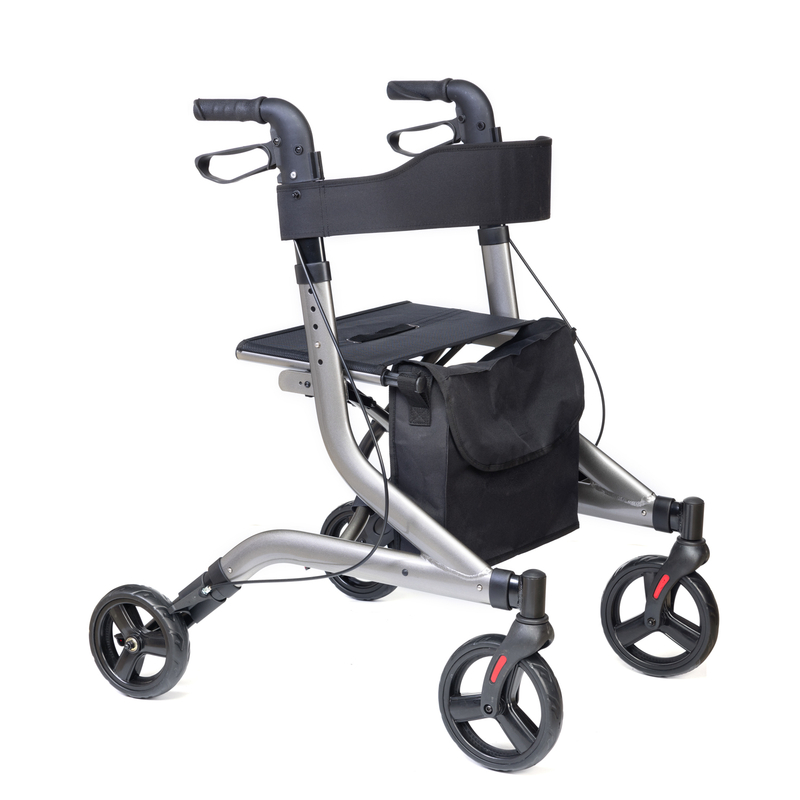
A walking rollator is designed with several essential components that enhance mobility and safety. The main parts include the frame, wheels, seat, and brakes.
● Frame: Typically made from lightweight aluminum, the frame provides strength without adding bulk. This makes it easy to maneuver.
● Wheels: Rollators come with either 6-inch or 8-inch wheels. Larger wheels offer better stability and can easily navigate uneven surfaces.
● Seat: Most rollators have a built-in seat, allowing users to rest whenever needed. This feature is especially beneficial during long outings.
● Brakes: Reliable brakes are crucial for safety. They allow users to stop the rollator securely and prevent it from rolling away when seated.
Adjustable height is another vital feature of a walking rollator. It ensures that users can set the handles at a comfortable level, promoting better posture and reducing strain. Stability is equally important; a well-designed rollator will not wobble or tip over easily, providing confidence to the user.
Ralon's Unique Features
Ralon Medical Equipment stands out in the rollator market due to its focus on quality and user-friendly designs. Their rollators feature lightweight aluminum frames that are not only durable but also easy to transport. Additionally, Ralon’s multifunctional brakes provide enhanced safety, allowing users to engage them smoothly and effectively.
Types of Walking Rollators
When choosing a walking rollator, it's essential to understand the different types available.
Type | Description |
Standard Rollators | Ideal for general use, offering basic features and functionality. |
Heavy-Duty Rollators | Designed for users needing extra support, capable of handling higher weight limits. |
Lightweight Rollators | Perfect for those who prioritize portability and ease of use. |
Ralon offers a diverse product range, including popular models such as the RL-A42049 and RL-A42010. The RL-A42049 is known for its lightweight design and ease of operation, making it suitable for both indoor and outdoor use. On the other hand, the RL-A42010 features a foldable aluminum frame with added comfort elements like an EVA foam backrest and a PVC sponge seat, making it a great choice for extended use.
Understanding these components and types will help you choose the right walking rollator that meets your needs. Whether you prefer the lightweight options or require a heavy-duty model, Ralon has something to offer for everyone.
Proper Setup and Adjustment of Your Rollator
Adjusting Handle Height
Getting the handle height right is crucial for using a walking rollator effectively. To measure the correct height, stand upright with your arms relaxed at your sides. The handles should align with your wrist creases when you grasp them. This position allows for a comfortable grip and minimizes strain on your back and shoulders.
Importance of Proper Alignment for Safety
Proper alignment not only enhances comfort but also ensures safety. If the handles are too high or too low, it can lead to poor posture and increase the risk of falls. A correctly adjusted rollator allows for better control, making it easier to navigate various terrains.
Ralon's Adjustment Guidelines
Ralon Medical Equipment provides clear guidelines in their user manuals for optimal setup. Here are some tips for adjusting your rollator:
● Loosen the Adjustment Knob: Turn the knob counterclockwise to release the handle.
● Set the Desired Height: Pull the handle up or push it down to reach the correct height.
● Secure the Knob: Turn the knob clockwise to tighten and ensure it’s locked in place.
Following these steps from Ralon will help you achieve the best fit for your walking rollator.
Brake Functionality Check
Before using your rollator, it’s essential to check the brakes to ensure they function correctly. Here’s how to perform a brake functionality check:
1. Engage the Brakes: Squeeze the hand brakes fully to see if they grip the wheels effectively.
2. Test the Parking Brake: Apply the parking brake and attempt to push the rollator. It should not move if the brakes are working correctly.
3. Release and Inspect: After releasing, there should be a gap of about 1-3mm between the brakes and wheels.
Common Issues and Troubleshooting
If you notice any issues during your brake check, here are some common problems and solutions:
Issue | Solution |
Brakes do not engage | Check for cable tension and adjust if necessary. |
Rollator moves when parked | Ensure parking brakes are fully engaged and check for wear. |
Brake lever feels loose | Tighten the screws on the brake lever assembly. |
Ralon’s safety features include high-quality brakes designed for reliability. Regular checks and maintenance will help ensure your rollator remains safe to use.
By following these setup and adjustment guidelines, you can enhance your experience with a walking rollator, ensuring both comfort and safety during use.
Walking Techniques with a Rollator
Correct Posture and Grip
Maintaining the right posture while using a walking rollator is vital for safety and comfort. Stand up straight, keeping your shoulders relaxed and your head up. This posture helps you see where you are going and keeps your balance steady.
Tips for Maintaining Balance
● Feet Position: Keep your feet shoulder-width apart for a stable base.
● Engage Your Core: A strong core helps support your upper body and maintain balance.
● Use Your Legs: Shift your weight onto your legs as you move, rather than leaning on the rollator.
How to Hold the Handles Properly
Gripping the handles correctly can make a big difference in your control over the rollator. Here’s how to do it:
1. Grip Firmly: Hold the handles with your palms facing down and fingers wrapped around securely.
2. Avoid Overgripping: While you want a firm grip, avoid squeezing too tightly to prevent fatigue.
3. Keep Wrists Straight: Your wrists should remain straight, aligned with your forearms to reduce strain.
Walking Technique
Walking with a rollator involves more than just pushing it forward. Here’s a step-by-step guide to ensure you’re using it effectively:
1. Start Slowly: Begin by standing still and ensuring the brakes are disengaged.
2. Push Forward: Move the rollator ahead of you, keeping it close to your body.
3. Step Forward: Take a step with your stronger leg first, then follow with the other leg.
4. Use Your Arms: As you walk, use your arms to push the rollator forward rather than pulling it.
Importance of Pacing and Using Your Legs Effectively
Pacing yourself is crucial. Move at a comfortable speed, allowing your legs to take turns without rushing. This technique reduces the risk of falling and ensures you have enough energy for longer walks.
User Testimonials
Many users have shared their positive experiences with Ralon rollators. Here are a few highlights:
● John, 72: "Using my Ralon rollator has changed my life. I feel more confident walking around my neighborhood."
● Mary, 65: "The lightweight design makes it easy for me to maneuver. I love how stable it feels."
● Tom, 80: "The handles are comfortable, and I can walk at my own pace without worrying about falling."
Incorporating these techniques and insights can significantly enhance your experience with a walking rollator. By focusing on posture, grip, and proper walking methods, you can enjoy greater mobility and independence.
Safety Guidelines When Using a Walking Rollator
Do’s and Don’ts of Rollator Use
Using a walking rollator safely involves following some essential do’s and don’ts. Here’s what you should keep in mind:
Do’s | Don’ts |
Always lock the brakes when seated. | Never use the rollator on stairs. |
Keep the rollator within arm’s reach. | Avoid leaning too heavily on the rollator. |
Regularly check for wear and tear. | Don’t overload the rollator beyond its limit. |
Use the rollator on flat, stable surfaces. | Never push the rollator too fast. |
These simple guidelines can help prevent accidents and ensure a safer experience while using your rollator. Ralon Medical Equipment emphasizes these safety measures in their product guidelines to promote user confidence.
Navigating Obstacles
Maneuvering through different environments can be challenging, but with the right techniques, it becomes manageable. Here are some tips for safely navigating common obstacles:
● Curbs: Approach curbs at an angle. Lift the front wheels slightly while pushing down on the handles to navigate up or down smoothly.
● Uneven Surfaces: Slow down when crossing uneven terrain. Keep your weight centered over the rollator for better stability.
● Doorways: Before entering, ensure the area is clear. Push the rollator through the doorway, keeping it close to your body.
Guidance on Turning and Stopping Effectively
When turning, take small steps and pivot the rollator gently. This technique helps maintain balance and control. To stop effectively, engage the brakes firmly before coming to a complete halt. Practicing these maneuvers can make a significant difference in your safety.
Real-Life Scenarios
Ralon rollators are designed to perform well in various environments. Here are a few examples of how they handle different situations:
● Shopping Malls: Users appreciate the lightweight design, allowing them to navigate crowded aisles easily.
● Parks and Outdoor Areas: The larger wheels on Ralon models help tackle uneven paths and grassy areas without difficulty.
● Home Use: Many customers find that their Ralon rollator fits through doorways and hallways comfortably, making it ideal for indoor use.
By following these safety guidelines and understanding how to navigate obstacles, you can enhance your experience with a walking rollator. Ralon’s commitment to safety ensures that users can move confidently in various settings.
Maintenance and Care for Your Walking Rollator
Regular Maintenance Checks
Keeping your walking rollator in good condition is essential for safety and longevity. Routine inspections help identify wear and tear before they become major issues. Here are some key aspects to focus on during your maintenance checks:
● Wheels: Check for any signs of damage or wear. Ensure they roll smoothly and replace them if they are cracked or uneven.
● Brakes: Test the brakes regularly to ensure they engage and release properly. If they feel loose or unresponsive, it’s time to adjust or replace them.
● Frame: Inspect the frame for any cracks or bends. A sturdy frame is crucial for safety.
How to Clean and Store Your Rollator Properly
Cleaning your rollator is straightforward but vital. Use a damp cloth to wipe down the frame and wheels, removing dirt and grime. Avoid using harsh chemicals, as they can damage the finish.
For storage, keep your rollator in a dry area, away from extreme temperatures. If you need to store it for an extended period, consider folding it up to save space while ensuring it remains accessible.
Ralon's Care Instructions
Ralon Medical Equipment provides specific care instructions to help you maintain your rollator effectively. Here are some recommended practices:
1. Monthly Inspections: Conduct a thorough check every month to catch any minor issues early.
2. Lubrication: Apply a silicone-based lubricant to the moving parts, such as wheels and brakes, to keep them functioning smoothly.
3. Avoid Overloading: Stick to the recommended weight limit to prevent undue stress on the frame and components.
Following these guidelines can significantly extend the life of your Ralon rollator.
Signs of Wear and When to Replace
Recognizing when your rollator needs repairs or replacement is crucial for safety. Here are some signs to watch for:
Sign of Wear | Action Required |
Wheels wobble or do not roll smoothly | Check for damage; consider replacement. |
Brakes do not hold or engage | Adjust or replace brake components. |
Frame shows cracks or bends | Replace the rollator immediately. |
Handles feel loose or unstable | Tighten or replace handle grips. |
If you notice any of these signs, it’s important to address them promptly. Keeping your rollator in top shape ensures it remains a reliable aid for your mobility needs.
FAQ
Q: How much weight can a walking rollator support?
A: Refer to Ralon's specifications for weight limits, which vary by model, typically supporting between 250 to 400 pounds.
Q: Can I use a rollator on stairs?
A: No, using a rollator on stairs is not safe and should be avoided to prevent accidents.
Q: What should I do if my rollator feels unstable?
A: Check for loose parts, ensure the brakes are functioning, and inspect for wear. If issues persist, consider repairs or replacement.
Q: How do I transport my rollator?
A: Fold the rollator for easy transport in vehicles. Ensure it’s secure to prevent damage during transit.
Q: Are there any accessories for rollators?
A: Yes, Ralon offers accessories like shopping bags and baskets to enhance functionality and convenience.
Conclusion
Using a walking rollator safely is essential. Key points include proper posture, routine maintenance, and understanding do's and don’ts.
Practice safe usage to enhance your independence and prevent accidents.
Ralon's walking rollators offer quality and safety features that can significantly improve mobility. Consider Ralon for your mobility needs.