Choosing the right mobility aid can be challenging. With various options available, how do you know what's best for you?
In this article, we will explore the key differences between walking rollators and traditional walkers. Understanding these differences is crucial for enhancing mobility and independence.
You’ll learn about the features, benefits, and ideal users for each type of aid. We will also highlight Ralon Medical Equipment Co., Ltd., a leading provider of quality mobility solutions.
What is a Walking Rollator?
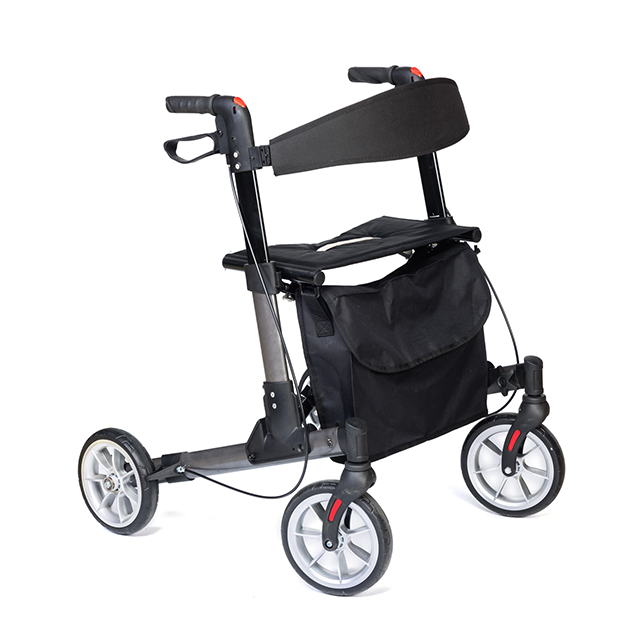
A walking rollator is a mobility aid designed to enhance independence and safety for individuals with limited mobility. Unlike traditional walkers, rollators are equipped with wheels, allowing for smooth movement across various surfaces. This added mobility makes them ideal for both indoor and outdoor use.
Key Features of Walking Rollators
Walking rollators come with several essential features that differentiate them from standard walkers:
● Wheels: Most rollators have four wheels, which facilitate easy navigation. The wheeled base allows users to push the rollator forward without lifting it, reducing physical strain.
● Brakes: Hand-operated brakes provide users with control over their speed and movement. This feature is crucial for safety, especially when navigating slopes or uneven terrain.
● Built-in Seats: Many rollators include a comfortable seat, allowing users to rest whenever needed. This is particularly beneficial for those who may tire easily during walks.
Here’s a quick look at the key features:
Feature | Description |
Wheels | Four wheels for easy movement |
Brakes | Hand-operated for safety and control |
Built-in Seats | Comfortable seating for resting |
Benefits of Using a Walking Rollator for Mobility
Using a walking rollator offers numerous advantages. First, they provide stability while allowing for greater mobility compared to traditional walkers. Users can maintain a more natural walking motion, making it easier to navigate through different environments.
Additionally, rollators often come with storage options, such as baskets or pouches, enabling users to carry personal items while on the go. This feature enhances independence, allowing individuals to run errands or enjoy outdoor activities without assistance.
Ralon's Walking Rollator Models
Ralon Medical Equipment Co., Ltd. offers a variety of walking rollator models, each designed with user comfort and durability in mind. Their rollators are constructed from lightweight aluminum, ensuring they are easy to maneuver while remaining sturdy enough for daily use.
For example, Ralon’s RL-A42049 model is perfect for both indoor and outdoor activities, featuring a lightweight design that promotes ease of use. The RL-A42045W8 is pre-assembled, allowing users to start using it right away without any hassle.
Here’s a brief overview of some Ralon rollator models:
Model Number | Key Features | Ideal Use |
RL-A42049 | Lightweight, four wheels, built-in seat | Indoor/outdoor activities |
RL-A42045W8 | Pre-assembled, easy to use | Immediate use |
RL-A42048KD | Foldable design, compact | Travel and storage |
Ralon's commitment to quality ensures that their walking rollators meet high safety standards while providing comfort and functionality. This makes them an excellent choice for anyone looking to enhance their mobility and independence.

What is a Walker?
A walker is a mobility aid designed to provide stability and support for individuals who need assistance while walking. Typically used by seniors or those recovering from injuries, walkers help users maintain balance and confidence during movement.
Key Features of Traditional Walkers
Traditional walkers are characterized by their simple yet effective design. Here are the main features:
● Four Legs: Walkers have four sturdy legs that provide a solid base. This design prevents tipping, offering maximum stability for users.
● No Wheels: Unlike rollators, traditional walkers do not have wheels. Users must lift and move the walker forward with each step, which can enhance stability but may require more physical effort.
● Lightweight Frame: Most walkers are made from lightweight materials, making them easy to handle. The lightweight design also aids in portability, allowing users to transport them easily.
Here’s a quick look at the key features:
Feature | Description |
Legs | Four legs for maximum stability |
Wheels | No wheels, requires lifting |
Frame Material | Lightweight for easy handling |
Advantages of Using a Walker for Stability
Using a walker offers several advantages, especially for those needing extra support. The four-legged design provides a stable base, which is particularly beneficial for individuals with balance issues or those recovering from surgery.
Walkers allow users to focus on their steps without worrying about falling. They are ideal for indoor use, especially in tight spaces like hallways or kitchens. Additionally, walkers often feature rubber tips on the legs to prevent slipping, further enhancing safety.
Ralon's Walkers and User Comfort
Ralon Medical Equipment Co., Ltd. produces a range of walkers that prioritize user comfort and safety. Their walkers are designed with ergonomic handles that reduce strain on the hands and wrists.
Ralon's walkers are also equipped with features such as adjustable heights, allowing users to find the perfect fit for their needs. This customization is essential for ensuring proper posture and comfort during use.
Here’s a brief overview of some of Ralon's walker models:
Model Number | Key Features | Ideal Use |
RL-WA42001 | Lightweight, adjustable height | Indoor activities |
RL-WA42002 | Ergonomic handles, non-slip tips | Short-distance mobility |
RL-WA42003 | Foldable design for easy storage | Travel and transport |
Ralon's commitment to quality ensures that their walkers provide the necessary support while maintaining user comfort, making them an excellent choice for those seeking reliable mobility aids.
Key Differences Between Rollators and Walkers
Understanding the differences between rollators and walkers is essential for choosing the right mobility aid. Each type has unique features that cater to varying mobility needs.
Design and Structure
The design of a rollator is fundamentally different from that of a traditional walker. Rollators typically feature four wheels, allowing for smooth movement across various surfaces. In contrast, walkers have four legs and require users to lift them with each step. This design choice affects how users interact with their mobility aids.
When it comes to weight and portability, rollators are often designed to be lightweight yet sturdy. Ralon emphasizes aluminum construction in both their rollators and walkers. This material choice ensures durability while keeping the overall weight low, making it easier for users to handle and transport their mobility aids.
Type | Design Features | Weight Considerations |
Rollator | Four wheels for movement | Lightweight aluminum frame |
Walker | Four legs for stability | Generally heavier |
Mobility and Maneuverability
Rollators enhance mobility significantly due to their wheeled design. Users can push them forward without lifting, making it easier to navigate through crowded spaces or uneven terrain. This feature is particularly beneficial for those who may struggle with balance or endurance.
On the other hand, traditional walkers have limitations regarding movement. Users must lift and move the walker forward, which can be tiring over longer distances. Ralon’s rollators are specifically designed for smooth movement, featuring high-quality wheels that glide effortlessly on various surfaces, whether indoors or outdoors.
Stability and Support
When it comes to stability, traditional walkers offer a solid base. Their four-legged design provides excellent support, making them ideal for users who prioritize stability over mobility. Rollators, while stable, may not provide the same level of support due to their wheeled design.
However, Ralon's rollators come equipped with safety features such as hand brakes. These brakes allow users to control their speed and stop securely, enhancing overall safety during use. Ideal users for walkers are often those who need maximum stability, while rollators suit individuals looking for a balance between mobility and support.
Functionality and Comfort
Comfort is another area where rollators shine. Many models include built-in seats, allowing users to rest whenever needed. Additionally, rollators often come with storage options, such as baskets or pouches, making it easy to carry personal items.
In contrast, traditional walkers typically lack these comfort features. They focus primarily on providing stability without additional amenities. Ralon’s rollators are designed with user comfort in mind, featuring padded seats and ergonomic handles, ensuring a pleasant experience for users as they navigate their surroundings.
Feature | Rollators | Walkers |
Seating | Built-in seats for resting | No seating option |
Storage | Pouches and baskets available | No storage options |
Comfort Design | Ergonomic handles, padded seats | Basic design |
By understanding these key differences, users can make informed decisions about which mobility aid best suits their needs. Whether opting for a rollator or a walker, the right choice can significantly enhance mobility and independence.
Who Should Use a Walking Rollator?
A walking rollator is an excellent mobility aid for a variety of users. Understanding who can benefit from this device is crucial for making the right choice.
Ideal Candidates for Using a Walking Rollator
Walking rollators are ideal for individuals who need extra support while maintaining independence. This includes seniors who may experience balance issues or fatigue during walks. Additionally, people recovering from surgery or injuries can also find rollators beneficial, as they provide stability without requiring excessive physical effort.
Moreover, individuals with chronic conditions like arthritis or multiple sclerosis may appreciate the ease of movement that a rollator offers. The combination of wheels and brakes allows for safe navigation, enabling users to move confidently in their environment.
Scenarios Where a Rollator is Beneficial
Walking rollators shine in various scenarios, making them versatile mobility aids.
● Indoor Use: In homes, rollators can help users move from room to room. The wheels make it easy to navigate tight spaces, while the built-in seats allow for quick rests when needed.
● Outdoor Use: Rollators are also perfect for outdoor activities. Whether strolling through a park or running errands, the sturdy design and smooth wheels provide a comfortable experience. Users can easily maneuver over sidewalks and uneven surfaces, making outings enjoyable.
Here’s a quick overview of scenarios where rollators excel:
Scenario | Benefits |
Indoor Use | Easy navigation in tight spaces |
Outdoor Use | Smooth movement on various terrains |
Examples of Ralon Rollator Models Suited for Different User Needs
Ralon Medical Equipment offers a range of rollator models tailored to diverse user requirements. Each model is designed with specific features to enhance usability and comfort.
● RL-A42049: This model is ideal for outdoor use, featuring large wheels that handle uneven surfaces well. It also includes a comfortable seat and storage basket, making it perfect for longer outings.
● RL-A42045W8: Designed for indoor use, this rollator is lightweight and easy to maneuver in small spaces. Its compact design allows for effortless navigation around furniture.
● RL-A42048KD: This foldable model is great for travel, allowing users to easily transport it in a car. It combines convenience with functionality, making it suitable for those who frequently go out.
Model Number | Ideal Use | Key Features |
RL-A42049 | Outdoor activities | Large wheels, built-in seat, storage |
RL-A42045W8 | Indoor navigation | Lightweight, compact design |
RL-A42048KD | Travel | Foldable, easy to transport |
These Ralon rollators provide the necessary support and comfort, empowering users to maintain their independence. With the right model, individuals can enjoy a more active lifestyle, whether at home or out and about.
Who Should Use a Walker?
Walkers are a vital mobility aid for many individuals who require extra support while walking. Understanding who benefits most from using a walker can help users make informed decisions about their mobility needs.
Ideal Candidates for Using a Walker
Walkers are particularly suited for individuals who need maximum stability during movement. This includes seniors who may experience balance issues, as well as those recovering from surgery or injuries. Individuals with conditions like arthritis or Parkinson’s disease may also find walkers beneficial, as these aids provide a stable base that enhances confidence while walking.
Moreover, people who have limited strength or endurance can greatly benefit from walkers. The design allows users to lean on the walker for support, reducing the risk of falls and improving overall safety.
Situations Where a Walker is More Suitable
There are specific scenarios where using a walker is more advantageous than other mobility aids, such as rollators.
● Short Distances: Walkers are ideal for short distances, such as moving around the house or navigating through a small area. Their straightforward design allows users to focus on stability rather than mobility.
● Maximum Stability: For those who prioritize stability over speed, walkers offer a solid base. Users can take their time, ensuring each step is secure. In environments where uneven surfaces or obstacles are present, walkers provide the necessary support to navigate safely.
Here’s a quick overview of scenarios where walkers excel:
Scenario | Benefits |
Short Distances | Ideal for moving around the home |
Maximum Stability | Provides a solid base for secure walking |
Highlight Ralon's Walkers Designed for Individuals Needing Extra Support
Ralon Medical Equipment offers a range of walkers specifically designed for individuals who require extra support. Their walkers feature sturdy frames and ergonomic handles, ensuring comfort and stability during use.
● RL-WA42001: This model is lightweight yet robust, making it easy to maneuver indoors. Its adjustable height allows users to find the perfect fit for their needs.
● RL-WA42002: Designed for maximum stability, this walker includes non-slip rubber tips to enhance grip on various surfaces, making it suitable for both indoor and outdoor use.
● RL-WA42003: This foldable walker is perfect for those who need to travel. Its compact design makes it easy to store, while still providing the support necessary for safe mobility.
Model Number | Key Features | Ideal Use |
RL-WA42001 | Lightweight, adjustable height | Indoor activities |
RL-WA42002 | Non-slip tips, maximum stability | Short-distance mobility |
RL-WA42003 | Foldable design for easy transport | Travel and storage |
Ralon's commitment to quality ensures that their walkers meet the needs of users seeking reliable support. With the right walker, individuals can confidently navigate their environments while maintaining their independence.
FAQ
Q: Can I use a rollator on uneven surfaces?
A: Yes, Ralon’s rollators are designed with sturdy wheels that handle uneven terrains effectively, providing stability and comfort outdoors.
Q: Are walkers better for indoor use?
A: Walkers are often preferred for indoor use due to their stable four-legged design, making them ideal for navigating tight spaces safely.
Q: How do I maintain my walking rollator?
A: Regularly check brakes and wheels, clean the frame, and ensure all parts are secure. Ralon products come with guidelines for optimal upkeep.
Q: What should I look for when purchasing a mobility aid?
A: Consider weight, adjustability, comfort features, and safety mechanisms. Ralon’s offerings emphasize user-friendly designs and durability.
Conclusion
In summary, rollators and walkers serve different needs. Rollators offer mobility with wheels, while walkers provide maximum stability.
Consulting healthcare professionals can help you choose the right aid for your situation.
Selecting the appropriate mobility aid enhances independence and confidence.
Explore Ralon Medical Equipment’s range of mobility aids for tailored solutions that fit your lifestyle.