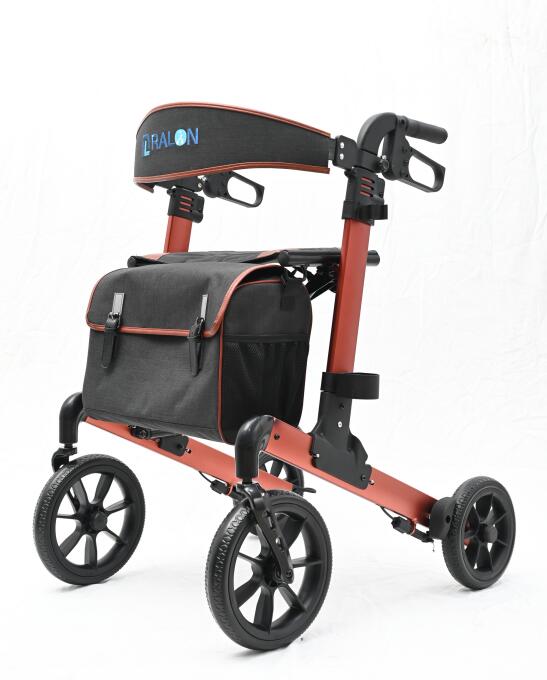
Finding the right mobility aid often feels like an impossible compromise between stability and convenience. You want a device robust enough to support your daily steps, yet compact enough to slide effortlessly into a crowded car trunk. Active lifestyles demand solutions prioritizing transportability without sacrificing safety.
Traditional walking aids are notoriously bulky. They dominate storage spaces, resist fitting into narrow doorways, and require significant upper body strength to lift safely. The modern Foldable Rollator emerged specifically to solve this frustrating dilemma. These advanced devices empower you to maintain an active schedule seamlessly.
A successful purchase relies heavily on balancing lightweight framing, precise folded dimensions, and your specific daily requirements. This comprehensive guide will walk you through material choices, folding architectures, and crucial sizing metrics. You will learn exactly how to evaluate, select, and travel safely using an ultra-compact mobility device tailored to your exact needs.
Key Takeaways
Ultra-compact foldable rollators typically feature a cross-brace (side-to-side) or 3D/tri-fold mechanism, significantly reducing their footprint for vehicle trunks and air travel.
Material selection (carbon fiber vs. aircraft-grade aluminum) directly dictates the unit's weight (often between 10–15 lbs) and price point.
Wheel size and composition must align with the intended environment; smaller wheels maximize compactness but sacrifice outdoor terrain capability.
A proper fit—handle height aligning with the user's wrist crease—is non-negotiable for postural support and fall prevention.
Assessing the Need for an Ultra-Compact Foldable Rollator
Standard rollators routinely fail the infamous "trunk test." They are incredibly cumbersome to handle. Caregivers and users alike struggle lifting them independently into vehicles. This physical barrier sharply limits active lifestyles and prevents spontaneous travel. You cannot easily load a bulky, rigid frame into a compact sedan. We must rethink mobility equipment as an everyday enabler, not a physical hindrance.
Defining success means evaluating your daily utility honestly. The ideal unit allows you to navigate tight indoor environments smoothly. You should be able to fold the device using just one hand. Furthermore, loading it into a vehicle must never exceed your safe lifting capacity. A true ultra-compact device achieves this delicate balance flawlessly. It integrates into your routine rather than dictating it.
However, we must clearly identify when to avoid these specific models. Ultra-compact designs prioritize extreme portability above all else. They are not universal solutions. Users requiring bariatric support need wider, heavily reinforced seating. Those traversing rough, unpaved trails need heavy-duty off-road suspension systems. In such specific cases, a standard or all-terrain walker proves much safer and far more effective.
Common Mistakes When Assessing Needs
Overestimating personal upper-body lifting capacity.
Ignoring the width of home bathroom doorways.
Prioritizing a sleek look over necessary weight capacity.
Material and Folding Mechanism Categories
Frame Materials: Weight vs. Cost
Weight directly dictates how easily you can transport any mobility aid. Carbon fiber offers an exceptional strength-to-weight ratio. It also provides fantastic natural shock absorption across bumpy surfaces. Frequent travelers often prefer carbon fiber frames for their effortless maneuverability. However, this advanced aerospace material does demand a premium budget. It represents a top-tier investment in convenience.
Aircraft-grade aluminum serves as the highly reliable industry standard. It weighs slightly more than carbon fiber. Still, aluminum remains highly durable and incredibly cost-effective. It actively resists daily wear, tear, and corrosion. You can rely on an aluminum frame for years of consistent indoor and outdoor use. We recommend aluminum for most daily users seeking reliability.
Material Performance Comparison Chart
Material Type
Average Weight
Shock Absorption
Price Category
Ideal User Profile
Carbon Fiber
10 - 12 lbs
Excellent
Premium
Frequent flyers, minimal lifting capacity
Aircraft Aluminum
13 - 16 lbs
Moderate
Mid-Range
Daily drivers, budget-conscious buyers
Folding Architectures
The way a frame collapses determines its ultimate storage footprint. Standard side-to-side folding utilizes a robust cross-brace geometry. You simply pull up on a designated seat strap. The frame instantly narrows. This clever design allows the unit to stand entirely independently while folded. It proves exceptionally useful for navigating narrow home doorways or tucking beside restaurant tables.
Multi-stage folding introduces a more complex 3D collapse sequence. Structural legs fold inward upon themselves. The entire device condenses into a tightly packed square or rectangle. This specific architecture works perfectly for overhead airplane bins. It also fits easily inside tiny car trunks. Be aware, however, this usually involves a sequential, multi-step folding process requiring both hands.
Core Evaluation Dimensions for Decision-Makers
Wheel Specifications and Terrain Suitability
Wheel dimensions strictly dictate where you can safely travel. Smaller 6-inch wheels drastically reduce overall weight. They minimize folded dimensions significantly. However, tiny wheels easily catch on uneven pavement or doorway thresholds. They struggle on textured surfaces. We typically recommend smaller wheels strictly for indoor, flat-surface navigation.
You must upgrade to 8-inch or 10-inch front wheels for outdoor use. Larger wheels navigate gravel, grass, and cracked sidewalks comfortably. Tire composition matters just as much as wheel size. Look for solid PVC, high-density polyurethane, or soft-grip rubber. These specific materials deliver excellent traction. They also completely eliminate the frustrating risk of flat tires.
Ergonomics and Braking Systems
Daily comfort relies heavily on handle geometry. Anatomic or teardrop-shaped grips significantly reduce localized hand fatigue. They effectively distribute your body weight across a wider surface area. This prevents uncomfortable nerve pressure in your palms. Straight, hard plastic grips often cause cramping during extended walks. Always prioritize contoured ergonomic handles.
Brake responsiveness directly impacts user safety. Ultra-compact models should always feature internal brake cables. Concealed cables prevent dangerous snagging during transit or while folding the device. You must also evaluate how easily the parking brakes engage. Users managing arthritis need low-resistance brake levers to lock the wheels securely without joint pain.
The Seating Compromise
Portability forces a noticeable design compromise regarding seating. A truly compact Foldable Rollator utilizes flexible sling seats. Manufacturers construct these from durable nylon or breathable mesh. Thick padded foam would prevent the frame from collapsing fully. You must carefully assess the sling seat width and depth. Ensure the dimensions provide sufficient support during necessary short rest periods.
Travel Implementation: Risks and Realities
Navigating busy transit hubs requires careful, proactive preparation. Taking a mobility aid on a plane or train introduces highly specific protocols. You must understand these rules to avoid stressful delays.
TSA and Airline Compliance: Airlines routinely permit gate-checking for folding mobility devices. You can confidently roll right up to the aircraft door. However, cargo holds remain notoriously rough environments. We strongly advise purchasing a dedicated protective travel bag. A heavy-duty bag prevents critical hinge damage. It also protects the lightweight frame from severe cosmetic scratches.
The "Lift and Load" Reality: Numbers on a specification sheet never tell the whole story. You must test the physical reality of lifting the folded unit. A 14-pound frame feels drastically different depending on your vehicle. Hoisting it horizontally into a high SUV trunk requires different muscle groups than dropping it downward into a low sedan trunk.
Maintenance Pinch Points: Advanced folding frames inherently introduce more moving parts. Multi-fold designs utilize numerous hinges and spring-loaded locking pins. These mechanical junctions require periodic visual inspection. You must tighten loose bolts regularly. Always inspect the folding joints for dirt and debris buildup, especially immediately after traveling outdoors.
Best Practices for Lifting
Always engage the parking brakes before lifting the unit. This stops the wheels from spinning wildly against your clothing. Keep the folded frame close to your chest. Pivot using your feet rather than twisting your lower spine. Proper lifting mechanics prevent painful back injuries during travel.
Shortlisting Logic: How to Finalize Your Choice
Selecting the perfect device demands a systematic, logical approach. Evaluating dozens of models quickly becomes overwhelming. Follow this proven four-step framework to narrow down your options confidently. This process ensures you find a device perfectly suited to your lifestyle.
Determine the Primary Use Case: Identify exactly where you will spend the most time. Navigating tight apartment hallways requires a different design than tackling international flights. Performing daily grocery runs demands a sturdy basket. Establish your primary core environment first to filter out unsuitable designs.
Establish the Weight Ceiling: Filter your initial options strictly by physical lifting limits. Determine exactly what you or your assisting caregiver can safely lift overhead. Eliminate any model exceeding this strict weight boundary instantly. A mobility aid loses its value if you cannot load it independently.
Measure the User: Filter your remaining shortlist by specific user dimensions. Check the handle adjustability range against your standing height. Verify the maximum weight capacity. Standard frames safely support 250 to 300 pounds. Proper sizing prevents dangerous hunching and ensures maximum stability.
Review Warranty and Trial Periods: Prioritize manufacturers offering generous return policies. A standard 30-day return window is absolutely ideal. Real-world gait testing across your own home floors provides the only accurate way to confirm true ergonomic fit. Protect your investment by ensuring a straightforward return process.
Executing these four steps diligently ensures your selected Foldable Rollator performs exactly as expected. It removes the guesswork from the purchasing equation entirely.
Conclusion
Purchasing an ultra-compact mobility device represents a direct investment in your sustained independence. It actively unlocks spontaneous travel capabilities previously hindered by bulky, outdated equipment. You no longer need to rely entirely on others for transportation assistance.
The ideal selection always balances your strict physical lifting limits against your most frequent daily terrains. Evaluate your everyday environment honestly to find the perfect mechanical match. Never sacrifice crucial stability for a slightly smaller folded footprint.
We strongly encourage consulting a licensed physical therapist or clinical mobility specialist before finalizing any purchase. Their professional guidance proves invaluable, especially if you experience asymmetrical weakness or advanced balance issues. Taking these proactive steps ensures your new equipment enhances your safety, comfort, and daily freedom.
FAQ
Q: Can I take a foldable rollator on an airplane?
A: Yes. The ADA mandates airlines accommodate essential mobility aids. You can gate-check your device for free, allowing you to use it until boarding. Some tri-fold models even fit securely inside overhead bins. If evaluating a hybrid electric model, always verify the battery complies with airline lithium-ion regulations beforehand.
Q: Does Medicare cover ultra-compact or travel rollators?
A: Medicare Part B typically covers standard walking aids deemed medically necessary by a physician. However, Medicare often limits reimbursement strictly to basic models. They rarely cover the extra cost of premium lightweight materials like carbon fiber. Buyers usually pay the cost difference for ultra-compact travel features entirely out-of-pocket.
Q: How do I correctly size my foldable rollator?
A: Stand naturally in your regular walking shoes. Let your arms hang completely relaxed at your sides. The top of the hand grips should align perfectly with your wrist crease. This specific height allows a slight 15-degree bend in your elbows, ensuring proper posture and safe weight distribution.
Q: Can I replace the wheels on a travel rollator?
A: It depends heavily on the brand. Many ultra-compact frames utilize proprietary wheel designs to minimize weight and folding dimensions. Standard aftermarket wheels rarely fit these unique axles. We strongly recommend checking replacement part availability directly through the original manufacturer before committing to a final purchase.
Ralon Medical And Science Co., Ltd. with sets of overseas equipment, we have a Plastic Plant, a Steel Tubes Plant, a Hardware Plant. Also, a Product Testing Center. Special specification can be produced according to customers' designs or samples.