Are you or a loved one struggling with mobility? Choosing the right mobility aid can significantly improve daily life. Among various options, walking rollators stand out for their stability and ease of use.
In this guide, we will explore the importance of mobility aids and focus on walking rollators. You'll learn about their features, benefits, and how to select the best model for your needs. Ralon Medical Equipment Co., Ltd. is a trusted supplier of high-quality walking rollators, ensuring you get the support you need.
Understanding Mobility Walking Aids
What are Mobility Walking Aids?
Mobility walking aids are essential tools designed to assist individuals facing mobility challenges. They provide support, stability, and confidence for users, helping them navigate their environments safely. The primary purpose of these aids is to enhance independence, allowing users to perform daily activities with greater ease.
There are several types of mobility aids available, including:
● Canes: Ideal for those with minor balance issues. They provide support on one side.
● Crutches: Used primarily for temporary injuries. They help keep weight off a leg.
● Walkers: Offer maximum stability but require lifting to move. They are great for indoor use.
● Walking Rollators: These are wheeled walkers that combine support with mobility.
Type | Best For | Key Features |
Canes | Minor balance issues | Lightweight, portable |
Crutches | Non-weight-bearing recovery | Requires upper body strength |
Walkers | Maximum stability | No wheels, requires lifting |
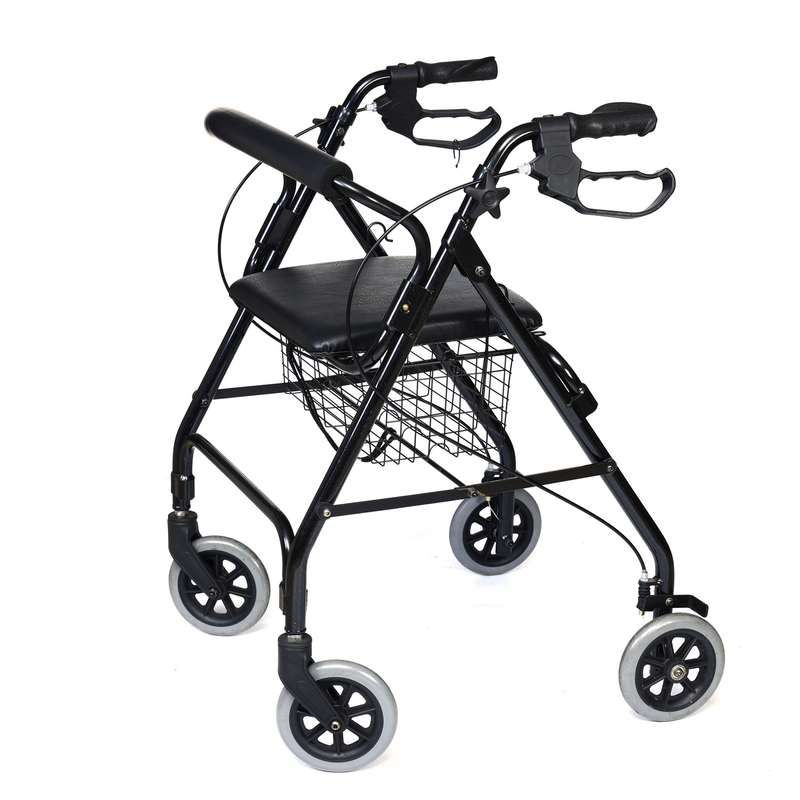
Walking Rollators | Longer distances and frequent rests | Wheels, hand brakes, built-in seat |
Why Choose a Walking Rollator?
Walking rollators are increasingly popular among mobility aids, and for good reason. They offer several advantages over traditional walkers and other aids. One of the main benefits is their built-in wheels, which allow users to move smoothly and effortlessly. This feature is particularly helpful for those who may struggle with lifting a standard walker.
Key features of walking rollators include:
● Stability: With four wheels and a sturdy frame, rollators provide excellent support. Users can lean on them confidently while walking.
● Ease of Use: Most rollators come with hand brakes, making it easy to stop and control speed. This feature enhances safety, especially on inclines.
● Built-in Seats: Many models, like those offered by Ralon Medical Equipment Co., Ltd., include a comfortable seat. This allows users to take breaks whenever needed, making them ideal for longer outings.
Ralon's walking rollators are specifically designed to enhance mobility and stability. They are made from lightweight aluminum, ensuring durability without sacrificing ease of use. With a variety of models available, Ralon caters to different user needs, making it easier for individuals to find the right fit for their lifestyle.
In summary, understanding the types of mobility aids and the unique benefits of walking rollators can significantly impact the quality of life for individuals seeking assistance. With options like Ralon's walking rollators, users can regain their independence and enjoy greater mobility.
Key Considerations When Choosing a Walking Rollator
Assessing Your Needs
Choosing the right walking rollator starts with understanding your specific mobility challenges. Ask yourself: Do you have difficulty walking long distances? Are you recovering from surgery or dealing with a chronic condition? Identifying these challenges is crucial for selecting the most suitable mobility aid.
It’s also essential to consult a healthcare professional. They can provide personalized advice based on your health status and mobility needs. This guidance can help you make an informed decision, ensuring that the rollator you choose meets your requirements effectively.
Types of Walking Rollators
Walking rollators come in various types, each designed for different user needs. Here’s a brief overview:
● Standard Rollators: These are sturdy and reliable, ideal for indoor and outdoor use. They provide excellent support for users who need stability while walking.
● Lightweight Rollators: Perfect for those who prioritize portability. They are easy to maneuver and fold, making them great for travel or small living spaces.
● Heavy-Duty Rollators: Designed for users requiring extra support, these models can accommodate higher weight capacities. Ralon’s RL-A42094P is an example, offering robust construction for enhanced stability.
Type | Best Suited For | Key Features |
Standard Rollator | General use | Sturdy frame, good for various terrains |
Lightweight Rollator | Frequent travel | Easy to fold and carry, lightweight design |
Heavy-Duty Rollator | Users needing extra support | High weight capacity, durable construction |
Weight Capacity and Stability
When selecting a walking rollator, checking the weight capacity is vital for safety. Each model has a specified weight limit, which ensures it can support the user effectively. For instance, Ralon’s heavy-duty models are designed to handle greater weights, providing peace of mind for users who may require additional support.
To determine the right weight capacity, consider your body weight and any additional items you might carry. It’s essential to choose a rollator that exceeds your total weight for safety and stability.
Material and Durability
Walking rollators are typically made from either aluminum or steel, each offering distinct advantages. Aluminum rollators, like those from Ralon, are lightweight yet durable, making them easier to maneuver. They resist rust and corrosion, ideal for both indoor and outdoor use.
On the other hand, steel rollators are heavier but may offer increased durability. However, they can be cumbersome for some users. Ralon's focus on aluminum construction ensures their rollators provide a perfect balance of strength and portability, making them a popular choice.
Material | Advantages | Disadvantages |
Aluminum | Lightweight, rust-resistant | May not support as much weight |
Steel | Very durable, supports higher weight | Heavier and less portable |
By considering your needs, the type of rollator, weight capacity, and material, you can confidently choose the right walking rollator to enhance your mobility and independence.
Features to Look for in a Walking Rollator
Adjustability and Comfort
When choosing a walking rollator, adjustability is key. Height adjustability ensures users maintain proper posture while walking. This feature can help prevent strain on the back and shoulders, making it easier to use the rollator for extended periods.
Comfort features also play a significant role. Look for padded handles and ergonomic grips, which can reduce hand fatigue during use. Ralon’s models, such as the RL-A42049, prioritize user comfort by incorporating these elements, allowing for a more enjoyable and less tiring experience.
Portability and Storage
Portability is another critical factor to consider. A rollator that folds easily is ideal for those who travel frequently or have limited storage space at home. Many models are designed to collapse quickly, making them easy to transport in a car or store in a closet.
Here are some tips for choosing a rollator that fits your lifestyle:
● Travel Needs: If you plan to travel, opt for a lightweight model that folds compactly.
● Home Use: For everyday activities at home, consider a rollator with larger wheels for better maneuverability on various surfaces.
Ralon’s rollators are designed with portability in mind, offering models that fold effortlessly for easy transport and storage.
Safety Features
Safety should never be overlooked when selecting a walking rollator. Essential safety features include reliable brakes, which allow users to stop securely when needed. Additionally, an anti-tip design can provide extra stability, especially on uneven surfaces.
It's also important to consider the stability testing and certifications of the product. Ralon’s rollators adhere to strict safety standards, including FDA and ISO certifications. This ensures that their products are not only safe but also durable, giving users peace of mind while navigating their environments.
Feature | Importance |
Height Adjustability | Prevents strain, ensures comfort |
Padded Handles | Reduces hand fatigue |
Reliable Brakes | Ensures safe stopping |
Anti-Tip Design | Enhances stability on uneven ground |
By focusing on these key features—adjustability, comfort, portability, and safety—you can select a walking rollator that meets your needs and enhances your mobility experience.
Using Your Walking Rollator Effectively
Proper Technique for Using a Walking Rollator
Using a walking rollator correctly is essential for safety and effectiveness. Here’s a step-by-step guide:
1. Adjust the Height: Before using your rollator, adjust the handles to a comfortable height. Your elbows should be slightly bent when holding the handles.
2. Position the Rollator: Place the rollator in front of you, about an arm's length away. Ensure it’s stable before taking a step.
3. Move Forward: Step into the rollator, keeping your weight centered. Push it forward as you walk, using the brakes when necessary.
4. Use the Brakes: When you need to stop or rest, engage the brakes by squeezing the handles. This will prevent the rollator from moving unexpectedly.
5. Take Breaks: If you feel tired, use the built-in seat to rest. This feature is especially helpful during long outings.
Maintaining balance and stability while using the rollator is crucial. Keep your body centered over the rollator, and take slow, deliberate steps. If you encounter uneven surfaces, slow down and ensure the rollator is stable before proceeding.
Maintenance and Care
To ensure your walking rollator lasts, regular maintenance is key. Here are some tips for proper care:
● Clean Regularly: Wipe down the frame and wheels with a damp cloth to remove dirt and debris. This helps maintain functionality and appearance.
● Check for Wear: Regularly inspect the brakes, wheels, and frame for signs of wear or damage. Addressing issues early can prevent bigger problems later.
● Lubricate Moving Parts: Apply lubricant to the wheels and joints as needed. This keeps everything moving smoothly.
In case you encounter common issues, such as difficulty folding the rollator or brakes not engaging properly, refer to the troubleshooting tips below:
Common Issue | Solution |
Rollator won’t fold | Check for obstructions; ensure handles are adjusted properly. |
Brakes not engaging | Inspect brake cables for damage; adjust tension if necessary. |
Wheels squeaking | Apply lubricant to wheel axles. |
If problems persist, Ralon provides excellent customer support. They can guide you through troubleshooting or assist with repairs, ensuring your rollator remains in top condition.
By following these guidelines for effective use and maintenance, you can maximize the benefits of your walking rollator, enhancing your mobility and independence.

FAQ
Q: What is the difference between a walker and a rollator?
A: A walker typically has no wheels and requires lifting, while a rollator has wheels, allowing for easier movement and often includes features like brakes and a seat.
Q: Can I use a walking rollator outdoors?
A: Yes, many walking rollators are designed for outdoor use, featuring larger wheels for better stability on uneven surfaces.
Q: How do I know if a walking rollator is right for me?
A: Consider your mobility needs, consult a healthcare professional, and ensure the rollator fits your height and weight requirements.
Q: What should I do if my walking rollator breaks?
A: Check the warranty and contact the manufacturer for support or repairs. Ralon offers customer service for troubleshooting.
Q: Are there any insurance options for purchasing a walking rollator?
A: Some insurance plans may cover mobility aids, including rollators. Check with your provider for specific coverage details.
Conclusion
This guide highlights essential factors in choosing a walking rollator. We discussed features like adjustability, comfort, and safety. Price ranges and maintenance tips were also covered.
It's important to select a rollator that fits your unique needs. Consider your lifestyle and preferences when making a choice. A well-suited walking rollator can significantly enhance your mobility and independence.