Choosing the right mobility aid can be life-changing for seniors. Have you ever wondered whether a walker or a rollator is better?
Both options offer unique benefits, but it's essential to find the right fit for individual needs.
In this post, we’ll explore the differences between walkers and walking rollators. You’ll learn why Ralon Medical Equipment Co., Ltd. is a top choice for quality mobility solutions.
Understanding Mobility Needs of Seniors
As we age, mobility can become a significant challenge. Many seniors face common issues that affect their ability to move freely. Understanding these challenges is crucial for selecting the right mobility aid, whether it’s a walker or a walking rollator.
Common Mobility Challenges Faced by Seniors
1. Balance Issues
Balance becomes a major concern for seniors. As physical changes occur, the risk of falls increases. This instability can lead to fear, making seniors hesitant to move around.
2. Strength Limitations
Many older adults experience decreased muscle strength. This can make lifting and maneuvering traditional walkers difficult. A walking rollator, with its wheels, offers a solution by reducing the physical effort needed to move.
3. Need for Rest During Movement
Seniors often need to pause and rest while walking. Traditional walkers lack seating options, which can limit their usability. In contrast, many walking rollators come equipped with built-in seats, allowing users to take breaks whenever needed.
Mobility Challenge | Walker | Walking Rollator |
Balance Support | Moderate (static) | High (4 wheels + brakes) |
Strength Requirement | High (lifting needed) | Low (rolls forward) |
Resting Option | None | Built-in seat available |
Importance of Independence and Safety in Mobility Aids
Independence is vital for seniors. Mobility aids should empower them rather than restrict their freedom. A suitable mobility aid fosters confidence, enabling seniors to navigate their environments safely.
Safety is equally important. Devices like walking rollators offer features such as loop brakes, which help prevent slips on inclines. This added safety can significantly reduce the risk of falls, giving users peace of mind while moving about.
Ralon Medical Equipment Co., Ltd. understands these needs. Their walking rollators are designed with seniors in mind, offering stability, comfort, and safety—all essential for maintaining independence. Choosing the right mobility aid can transform daily life, allowing seniors to enjoy activities they love without fear.
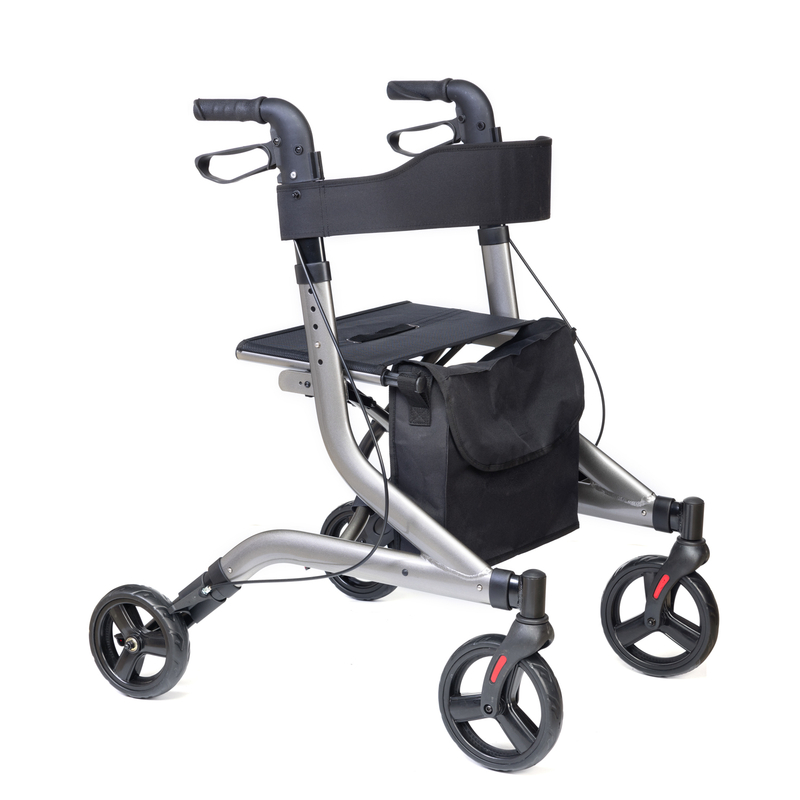
What is a Walker?
Walkers are mobility aids designed to assist individuals who need extra support while walking. They typically have a simple structure that allows users to maintain balance and stability. Understanding their features and benefits is essential for seniors considering their options.
Definition and Description of Walkers
A walker is a four-legged device that provides support and stability during movement. It’s often made from lightweight materials like aluminum, making it easy to maneuver. The design allows seniors to grip the walker while walking, offering a secure way to navigate various environments.
Key Features of Traditional Walkers
● Four Legs for Stability
● Walkers are equipped with four legs, which provide a solid base. This design ensures maximum stability, allowing users to feel secure as they move.Lightweight Design
Most walkers are made from lightweight materials. This makes them easy to lift and transport, which is crucial for seniors who may struggle with heavier equipment.
Feature | Description |
Stability | Four-legged design prevents tipping |
Weight | Lightweight for easy handling |
Portability | Folds easily for transport |
Pros and Cons of Using a Walker
Using a walker comes with several advantages and disadvantages.
Pros:
● Stability: Walkers provide excellent support, making them ideal for users with severe balance issues.
● Affordability: Generally, walkers are less expensive than other mobility aids, making them accessible for many.
● Compactness: They can be easily folded and stored, perfect for small living spaces.
Cons:
● Requires Lifting: Users must lift the walker to move forward, which can be physically demanding.
● No Seat for Resting: Unlike walking rollators, traditional walkers do not offer a seat, limiting rest options.
● Less Suited for Outdoor Use: Walkers may struggle on uneven surfaces, making them less effective outdoors.
Ralon Medical Equipment Co., Ltd. offers a range of mobility aids, including walkers, designed to meet various needs. While walkers are beneficial for stability, exploring options like walking rollators may enhance mobility and comfort for seniors who require more flexibility.
What is a Rollator?
A rollator is a mobility aid designed to provide support and enhance mobility for seniors. Unlike traditional walkers, rollators feature wheels that make movement easier and more fluid. Understanding the unique features of walking rollators can help seniors choose the right mobility aid for their needs.
Definition and Description of Walking Rollators
Walking rollators are equipped with three or four wheels, allowing users to glide smoothly over various surfaces. They typically include a frame made of lightweight materials, making them easy to maneuver. This design helps seniors maintain their independence while navigating both indoors and outdoors.
Key Features of Walking Rollators
● Wheels for Easy Maneuverability
● Rollators have wheels that enable effortless movement. This feature is especially beneficial for seniors who may struggle with lifting a walker. The wheels allow for quick turns and smooth navigation, enhancing the overall experience.Built-in Seat and Storage Options
One of the standout features of walking rollators is the built-in seat. This allows users to take breaks whenever needed. Additionally, many models include storage baskets or pouches, providing a convenient place for personal items.
Feature | Description |
Maneuverability | Wheels provide smooth movement |
Seating | Built-in seat for resting |
Storage | Convenient storage options for personal items |
Pros and Cons of Using a Rollator
Using a rollator comes with distinct advantages and some drawbacks.
Pros:
● Enhanced Mobility: Rollators promote independence by allowing seniors to move freely and confidently.
● Ease of Use: The design is intuitive, making it simple for users to operate.
● Safety Features: Many rollators come with brakes that can be locked for added safety when sitting.
Cons:
● Less Stability than Walkers: While rollators are great for mobility, they may not provide the same stability as traditional walkers.
● Requires Grip Strength for Brakes: Users need sufficient hand strength to operate the brakes effectively, which can be a challenge for some seniors.
Ralon Medical Equipment Co., Ltd. offers a variety of walking rollators, designed to meet the diverse needs of seniors. Their products combine functionality and safety, making them a popular choice for enhancing mobility.
Comparing Walkers and Rollators
When it comes to mobility aids, walkers and rollators each have unique features that cater to different needs. Understanding these differences can help seniors make informed choices about which option suits them best.
Stability and Support
Stability is a crucial factor for seniors. Walkers provide a solid four-legged structure, ensuring maximum support. This stability is particularly beneficial for those who experience significant balance issues. In contrast, rollators, while equipped with wheels for easier movement, may not offer the same level of stability. However, they do come with brakes that enhance safety during use.
Mobility Aid | Stability Level | Support Type |
Walker | High | Four legs for support |
Rollator | Moderate | Wheels with brakes |
Ease of Use
Both walkers and rollators cater to varying levels of physical effort required. Walkers necessitate lifting and moving, which can be tiring for some seniors. On the other hand, rollators allow users to push rather than lift, making movement easier. This difference can significantly impact how comfortable seniors feel while using these aids.
Rest Support and Comfort
Rest support is another important consideration. Traditional walkers do not provide an option for resting, which can limit their usability during longer outings. In contrast, walking rollators typically feature built-in seats, allowing users to take breaks whenever necessary. This feature can be a game-changer for seniors who tire easily.
Portability and Storage
Both walkers and rollators are designed for portability. However, their designs differ. Walkers are generally lightweight and can be easily folded for storage. Rollators also offer foldability but often come with added features like storage baskets. This makes them more versatile for carrying personal items while on the go.
Mobility Aid | Foldability | Storage Options |
Walker | Yes | Limited (usually none) |
Rollator | Yes | Yes (baskets or bags) |
Outdoor Use
When considering outdoor use, both walkers and rollators have their strengths and weaknesses. Walkers may struggle on uneven terrain, while rollators excel with their wheels, making them suitable for various surfaces. Rollators can navigate sidewalks and parks more easily, enhancing the user experience outdoors.
Ralon Medical Equipment Co., Ltd. provides a range of both walkers and walking rollators, designed to meet the diverse needs of seniors. Their products ensure quality and functionality, helping users maintain their independence while enjoying safe mobility.
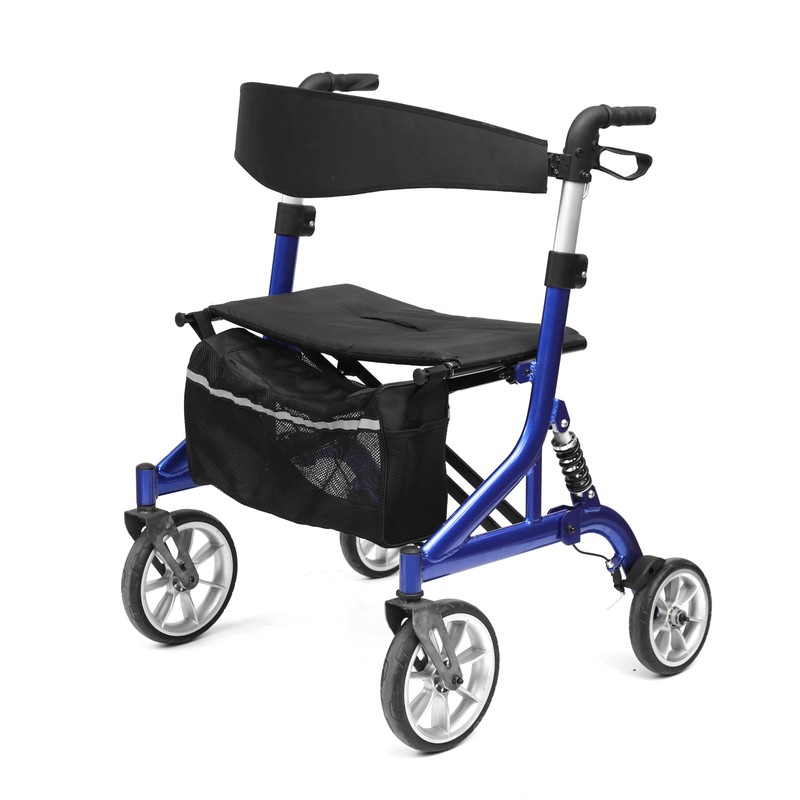
Making the Right Choice: Walker or Rollator?
Choosing between a walker and a walking rollator can be a significant decision for seniors. It’s essential to consider various factors to ensure that the selected mobility aid meets individual needs effectively.
Key Considerations When Choosing a Mobility Aid
● User's Physical Condition and Mobility Needs
The first step in making the right choice is evaluating the user's physical condition. Seniors with severe balance issues may benefit more from the stability of a walker. In contrast, those who need to move more freely might find a walking rollator more suitable, as it allows for easier navigation without the need for lifting.
● Importance of Having a Seat for Resting
For many seniors, the ability to take breaks while walking is crucial. Walking rollators typically come with built-in seats, making them ideal for users who may tire easily. In contrast, traditional walkers lack this feature, which can limit their usability during longer outings.
● Terrain Where the Mobility Aid Will Be Used
The environment plays a vital role in the decision-making process. Walkers may struggle on uneven surfaces, while walking rollators are designed for various terrains. If the user plans to walk outdoors frequently, a rollator may be the better choice due to its wheels and overall maneuverability.
Consideration | Walker | Walking Rollator |
Stability | High | Moderate |
Built-in Seat | No | Yes |
Terrain Suitability | Limited | Excellent |
Consulting Healthcare Professionals for Guidance
Before making a final decision, consulting healthcare professionals is highly recommended. They can provide valuable insights based on the user’s specific health conditions and mobility needs. Physical therapists, occupational therapists, or doctors can assess strength, balance, and overall fitness, helping seniors choose the most appropriate mobility aid.
Ralon Medical Equipment Co., Ltd. encourages users to seek professional advice. Their team can assist in selecting the right walking rollator or walker, ensuring that seniors maintain their independence while prioritizing safety and comfort. By carefully considering these factors, seniors can make informed choices that enhance their mobility and quality of life.
FAQ
Q: What is the difference between a walker and a rollator?
A: Walkers are four-legged devices providing stability but require lifting to move. Rollators have wheels, allowing for easier maneuverability and often include a seat for resting.
Q: Can seniors use both walkers and rollators?
A: Yes, seniors can use both, depending on their mobility needs and physical condition. Each offers unique benefits.
Q: Are walking rollators suitable for outdoor use?
A: Yes, walking rollators are designed for outdoor use, performing well on various terrains due to their wheels.
Q: How do I maintain my walker or rollator?
A: Regularly check for loose screws, clean the frame, and inspect wheels and brakes for proper function.
Q: What are the price ranges for walkers and rollators?
A: Prices vary; walkers typically range from $50 to $150, while rollators range from $100 to $300, depending on features.
Q: What certifications should I look for in a walking rollator?
A: Look for certifications like FDA registration and ISO 13485:2016, ensuring quality and safety standards. Ralon Medical Equipment Co., Ltd. products meet these certifications.
Conclusion
Choosing the right mobility aid is crucial for seniors. It impacts their independence and quality of life.
Consider individual needs and preferences when deciding between walkers and rollators.
Walking rollators offer unique benefits, such as ease of use and built-in seating.
Ralon Medical Equipment Co., Ltd. provides high-quality walking rollators, ensuring safety and comfort for seniors.