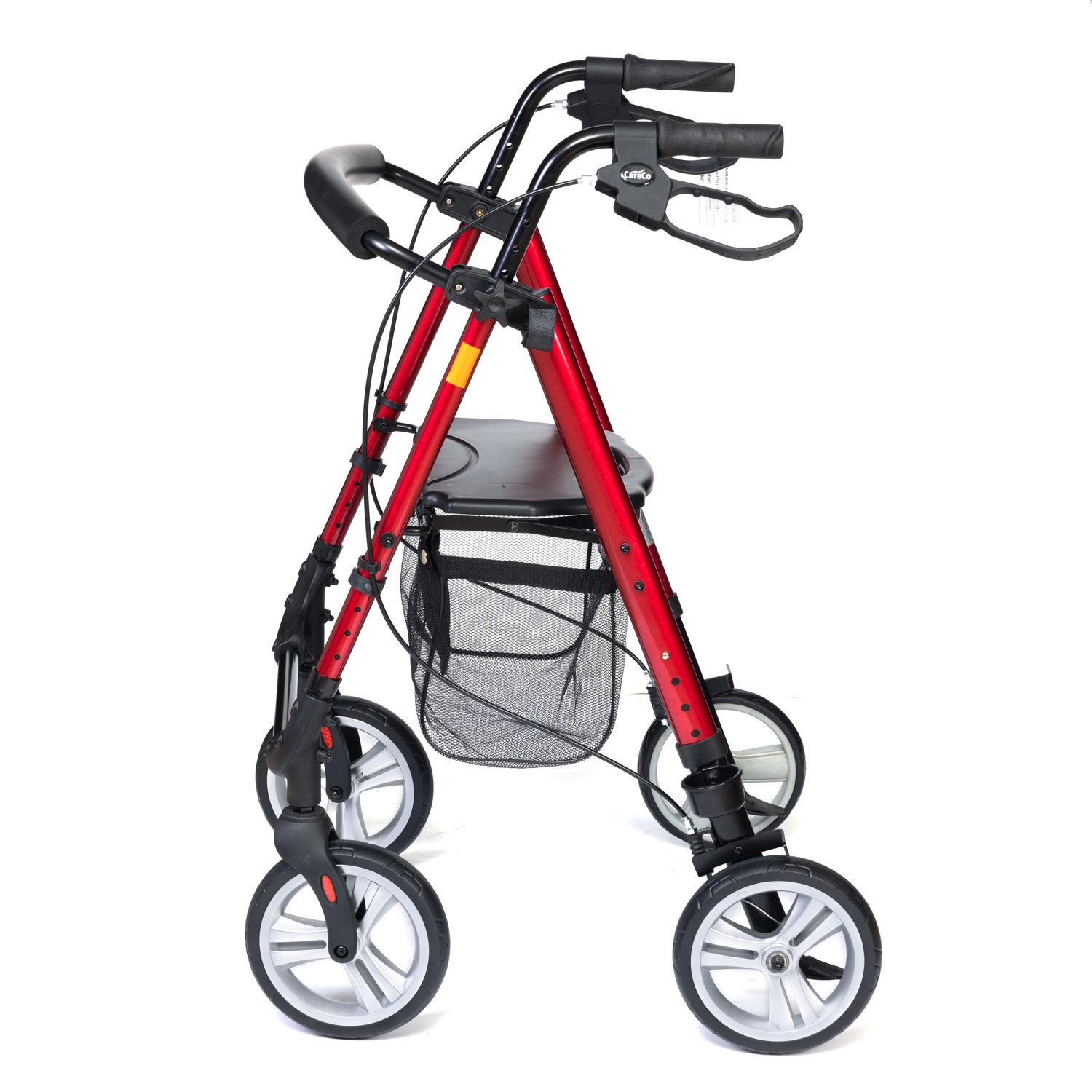
Finding a mobility aid designed for versatile environments often feels like searching for a unicorn. Users constantly face the struggle of navigating tight indoor spaces while needing the structural stability to handle uneven outdoor terrain. A true hybrid mobility device must bridge this gap seamlessly. It must be light enough for you to lift into a car trunk independently. At the same time, it must be narrow enough to clear standard residential doorways. It must also remain rugged enough to conquer neighborhood pavement and gravel paths. We will explore the essential framework for evaluating frame materials, wheel dimensions, ergonomics, and folding mechanisms. You will learn exactly how to make an evidence-based purchase decision. By understanding these specific criteria, you can secure a mobility aid designed to support your daily independence and safety across varied terrains.
Key Takeaways
Hybrid use requires a compromise between wheel size and turning radius; 8-inch wheels are the baseline for outdoor safety.
Frame material dictates daily usability; an aluminum rollator offers the most reliable balance of high weight capacity and low lifting weight.
Proper sizing prevents musculoskeletal strain; handle height must align with the user's wrist crease, and overall width must clear the user's narrowest indoor doorway.
Side-to-side folding mechanisms offer superior storage efficiency and maintain standing stability when collapsed.
The Mixed-Use Challenge: Framing the Mobility Criteria
The Indoor Constraint
Homes require tight pivoting capabilities. You must maneuver around furniture, kitchen islands, and narrow hallways safely. Clearance through standard residential doorways represents a major hurdle. Most interior doors measure between 28 to 32 inches wide. Older homes often feature even narrower bathroom frames. Your mobility aid must slide through these gaps smoothly. Floor-safe tires are equally critical. You need tires designed to glide across hardwood or tile. They must not leave dark scuff marks. They also must not track excess outdoor debris into your living room. Indoor environments prioritize agility, minimal width, and pristine floor preservation.
The Outdoor Requirement
Stepping outside introduces entirely different physical demands. Sidewalks, gravel driveways, and raised door thresholds pose constant hazards. These obstacles demand superior shock absorption. A narrow base feels incredibly agile indoors. However, it becomes a tipping hazard outdoors. You need a wider wheelbase to remain stable on sloped driveways or uneven grass. Weather-resistant components are also non-negotiable. Sudden rain showers or morning dew can degrade inferior parts quickly. Your device must withstand moisture, dirt, and constant vibration. Outdoor environments prioritize robust stability, structural rigidity, and obstacle navigation.
Success Metrics for Evaluation
A successful hybrid model minimizes these frustrating trade-offs. It beautifully balances indoor agility against outdoor ruggedness. A true hybrid ensures you do not need two separate mobility aids. Evaluating a hybrid requires specific success metrics. We evaluate these devices across several key performance indicators:
Clearance margin: Does the device offer at least two inches of breathing room through your narrowest door?
Liftability: Can you independently lift the folded device into a standard sedan trunk?
Vibration dampening: Do the hand grips reduce shock when rolling over rough pavement?
All-weather resilience: Are the frame and moving parts impervious to rain and humidity?
Meeting these metrics guarantees a seamless transition from the kitchen to the local park.
Why an Aluminum Rollator is the Benchmark for Hybrid Use
Material Comparison Matrix
Selecting the right frame material dictates your daily usability. We must evaluate steel, carbon fiber, and aluminum objectively. Each material presents distinct advantages and compromises.
Frame Material
Average Weight
Durability & Resistance
Real-World Limitations
Steel
20 to 25+ lbs
High weight capacity; rigid.
Often too heavy for independent lifting. Prone to severe rust if scratched and exposed to rain.
Carbon Fiber
11 to 14 lbs
Exceptionally light; highly aesthetic.
Premium price point. Highly susceptible to impact damage or chipping from hard outdoor surfaces.
Aluminum
13 to 18 lbs
Naturally resists corrosion. Withstands outdoor elements easily.
Offers the best intersection of weight, strength, and impact resistance for daily hybrid use.
Steel provides massive weight capacities. However, it often exceeds 20 pounds. This makes lifting it into a vehicle trunk nearly impossible for many independent users. Furthermore, steel rusts quickly if exposed to outdoor elements after a minor scratch. Carbon fiber looks sleek and weighs very little. Unfortunately, it chips easily upon impact. Hard outdoor surfaces can compromise its structural integrity. Aluminum remains the undisputed industry standard. A quality Aluminum Rollator yields a highly durable frame. It typically weighs between 13 to 18 pounds. Despite this light footprint, it safely supports 250 to 300 pounds. It also naturally resists corrosion from rain or snow. This material fundamentally solves the hybrid lifting challenge.
Longevity and Structural Integrity
Material alone does not guarantee a safe ride. Engineering design plays a massive role. Cross-braced frames represent the gold standard for hybrid mobility. Cross-bracing relies on intersecting metal supports beneath the seat. This design mimics the folding mechanism of a premium wheelchair. It mitigates the flex and wobble commonly associated with cheaper models. Many budget devices use simple bolted frames. Bolted frames loosen over time. They twist dangerously when navigating uneven outdoor terrain. A cross-braced aluminum chassis remains rigid. It transfers your body weight evenly across all four wheels. This structural integrity prevents premature wear and ensures confident outdoor maneuvering.
Evaluating Wheels and Braking Systems for Variable Terrain
Wheel Size to Terrain Mapping
Wheel dimensions dictate where you can safely travel. Manufacturers engineer specific sizes for specific environments. Understanding this mapping prevents dangerous tipping accidents.
6-inch wheels: These are strictly for flat indoor surfaces. They navigate carpets and linoleum well. However, they catch easily on small sidewalk cracks.
8-inch front wheels: These serve as the absolute baseline for outdoor use. They safely roll over door thresholds and uneven grass. They prevent the device from halting abruptly.
10-inch front wheels: These offer premium outdoor performance. They glide over gravel and rough terrain beautifully. They require a slightly wider turning radius indoors.
For hybrid use, an 8-inch front wheel configuration works best. It provides mandatory outdoor safety without completely ruining indoor maneuverability. It traverses sidewalk cracks without jarring your arms.
Tire Composition
We must also examine what the tires are made of. The market primarily offers solid, semi-solid, and pneumatic options. Below is a simple comparison chart illustrating the differences.
Tire Type
Shock Absorption
Maintenance Level
Puncture Risk
Pneumatic (Air-Filled)
Excellent
High (requires pumping)
High (flats occur often)
Hard Plastic
Poor
Low
None
Solid Polyurethane / EVA Foam
Good to Very Good
Zero
None
Solid polyurethane or EVA foam tires are ideal for hybrid scenarios. They provide adequate shock absorption for outdoor use. They effectively dampen the vibrations from rough asphalt. More importantly, they eliminate puncture risks entirely. You will never find yourself stranded at a park due to a flat tire. They avoid the intense maintenance burden of pneumatic tires. You do not need to carry a pump. They wipe clean easily before rolling back onto your indoor rugs.
Braking Reliability
Brakes serve as your primary safety net. You rely on them to control descents and lock the device securely. Exposed brake cables present a massive hazard. They easily snag on indoor furniture. They catch on outdoor branches and bushes. Internal brake cables are highly recommended. Manufacturers route these cables through the actual frame tubing. This keeps them safe from environmental snags. You must also ensure the loop-lock brakes offer tactile engagement. They need a positive, clicking feel. They must easily squeeze to slow down on inclines. They must firmly push down to lock securely. Reliable locking mechanisms are mandatory before using the built-in seat.
Ergonomics, Sizing, and Spatial Constraints
Handle Height Biomechanics
Ergonomic features must translate directly to postural support. Purchasing an incorrectly sized device causes immediate musculoskeletal strain. Handle height serves as the most critical adjustment point. The handles must adjust so your elbows bend at a precise 15-degree angle. Incorrect height leads to severe posture degradation. If the handles sit too low, you will hunch forward constantly. This strains your lower back and neck. If the handles sit too high, you experience reduced leverage. You cannot push down effectively to control the device. You must stand straight with your arms resting naturally. Measure the distance from the floor to your wrist crease. Adjust the grips to match this exact measurement.
Seat Height and Resting Safety
Hybrid mobility requires frequent resting. You will likely use the built-in seat during outdoor walks or shopping trips. Seat height dictates resting safety. When seated, your feet must rest entirely flat on the ground. Your knees should bend at a comfortable 90-degree angle. If the seat is too high, your legs dangle. This cuts off circulation and creates a tipping hazard when standing back up. If the seat is too low, you struggle to generate the leg power needed to rise. Always verify the seat-to-floor height against your lower leg length. This ensures a safe, dignified resting experience anywhere you go.
Clearance Verification
Spatial constraints ruin the best purchases. A beautifully designed device becomes useless if it cannot enter your bathroom. You must perform strict clearance verification before buying. Instruct your family members to measure your home carefully. Measure the width of your bathroom, bedroom, and kitchen doors. You need the narrowest measurement. The overall width of your chosen mobility aid must be narrower than this measurement. Ideally, it must be at least two inches narrower. This prevents frustrating knuckle scraping against door frames. It allows you to pivot smoothly without damaging your home's trim.
Implementation Realities: Transport, Storage, and Maintenance
Folding Mechanisms
How a device folds dictates your daily transport experience. Manufacturers utilize two primary folding methods. We must understand the profound differences between them.
Front-to-back folding: This traditional method pushes the rear wheels toward the front wheels. It often requires removing the storage basket entirely. The resulting folded shape remains bulky. It proves incredibly awkward to lift into a trunk.
Side-to-side folding: This modern method collapses the frame like a standard wheelchair. You simply pull a strap on the seat. The sides draw together smoothly. It creates a remarkably compact footprint for car trunks.
Side-to-side folding provides a massive advantage. The device actually remains standing when folded. This feature is ideal for restaurants, narrow hallways, or crowded doctor's offices. You can tuck it away safely without leaning it against a wall. A modern Aluminum Rollator frequently utilizes this advanced folding geometry. It maximizes independence during travel and storage.
Daily Maintenance for Dual Use
Hybrid usage introduces unique housekeeping challenges. You must acknowledge the reality of tracking dirt indoors. Rolling across wet grass or muddy sidewalks deposits debris directly onto your tires. You need a proactive daily maintenance strategy. Suggest choosing models featuring smooth tire treads. Deeply grooved tires harbor mud and small pebbles. Smooth treads wipe down easily with a damp towel. Keep a microfiber cloth near your entryway. Give the wheels a quick wipe before crossing your thresholds. This simple habit preserves your carpets and hardwood floors flawlessly.
Component Wear
Moving constantly between indoor carpets and outdoor concrete accelerates component wear. Outdoor concrete acts like sandpaper against rubber. This harsh friction degrades brake pads and wheel treads much faster than indoor use alone. You must routinely inspect the grooved brake mechanisms holding your rear wheels. Ensure the metal brake shoe still grips the tire firmly. Keep a close eye on tire tread depth. Smooth, bald tires lose crucial traction on wet outdoor surfaces. Check the availability of replacement parts from your specific manufacturer. Easy access to replacement wheels and brake cables ensures your mobility aid remains a reliable companion for years.
Conclusion
Choosing the perfect hybrid mobility aid requires balancing indoor agility against outdoor ruggedness. Prioritize cross-braced frames for maximum stability. Demand a minimum of 8-inch front wheels to conquer sidewalk cracks safely. Ensure the device utilizes a side-folding design to simplify vehicle loading. An aluminum rollator provides the most practical intersection of daily durability, weather resistance, and lifting ease. It prevents the frustrating need to manage multiple devices. Before making your final selection, take out your measuring tape. Measure your primary indoor doorways and your vehicle's trunk space. Verifying these dimensions ensures your new mobility aid perfectly complements your active, independent lifestyle.
FAQ
Q: Can I use a standard indoor walker outside?
A: Using a standard indoor walker outside poses significant safety risks. Standard models lack adequate wheel traction for wet or slippery surfaces. Their smaller, harder wheels provide zero shock absorption over rough pavement. Furthermore, their narrow wheelbases create severe tipping hazards on sloped sidewalks, gravel, or uneven grass.
Q: How much does a standard aluminum rollator weigh?
A: A standard aluminum rollator typically weighs between 13 and 18 pounds. This lightweight design allows most independent users to lift it easily into a vehicle trunk. It provides excellent mobility without causing shoulder or back strain during daily transport and storage.
Q: Do aluminum rollators rust if left in the rain?
A: The aluminum frame itself naturally resists corrosion and will not rust in the rain. However, the exposed metal screws, brake springs, and cables may still be susceptible to oxidation over time. Always wipe down your device with a dry cloth after navigating through wet weather.
Q: What is the difference between solid and pneumatic rollator wheels?
A: Solid wheels use dense foam or polyurethane. They are entirely maintenance-free and never go flat. Pneumatic wheels are filled with air. They offer superior, high-cushion shock absorption outdoors but require constant air pressure checks and carry a high risk of punctures and flats.
Ralon Medical And Science Co., Ltd. with sets of overseas equipment, we have a Plastic Plant, a Steel Tubes Plant, a Hardware Plant. Also, a Product Testing Center. Special specification can be produced according to customers' designs or samples.